Year Three
Workshop: “Renal Lipotoxicity“
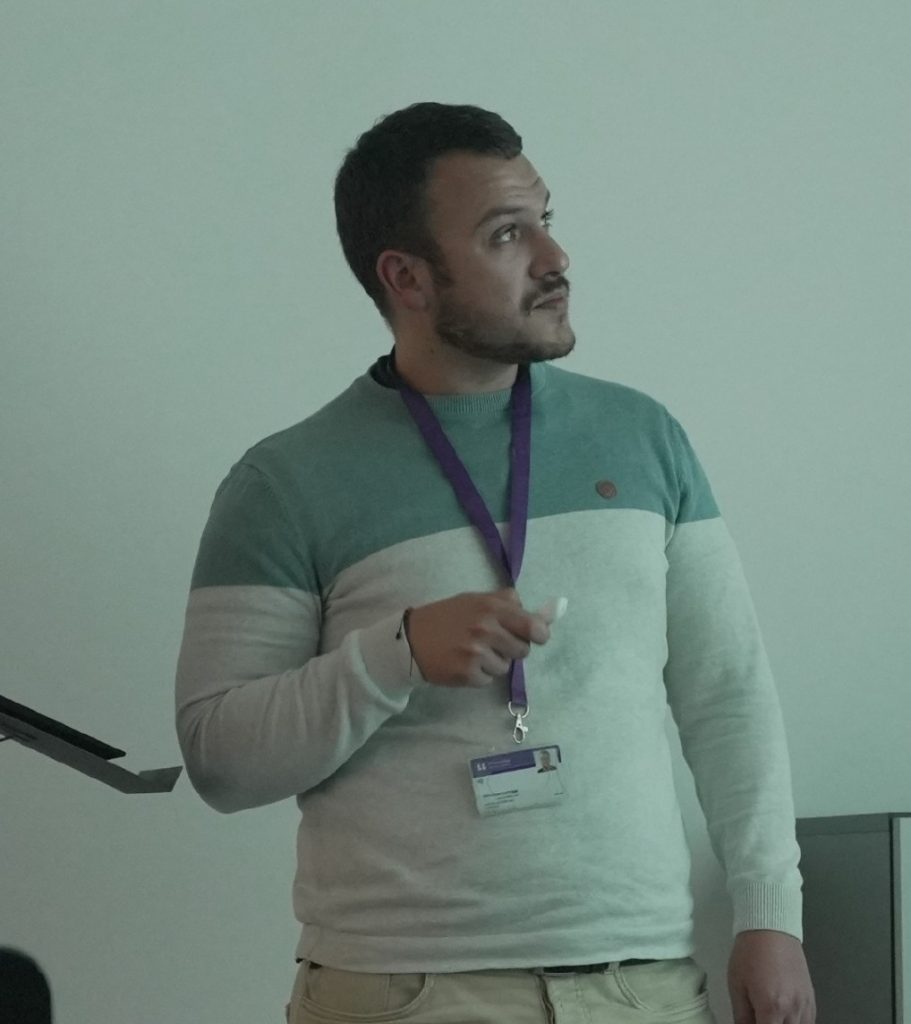
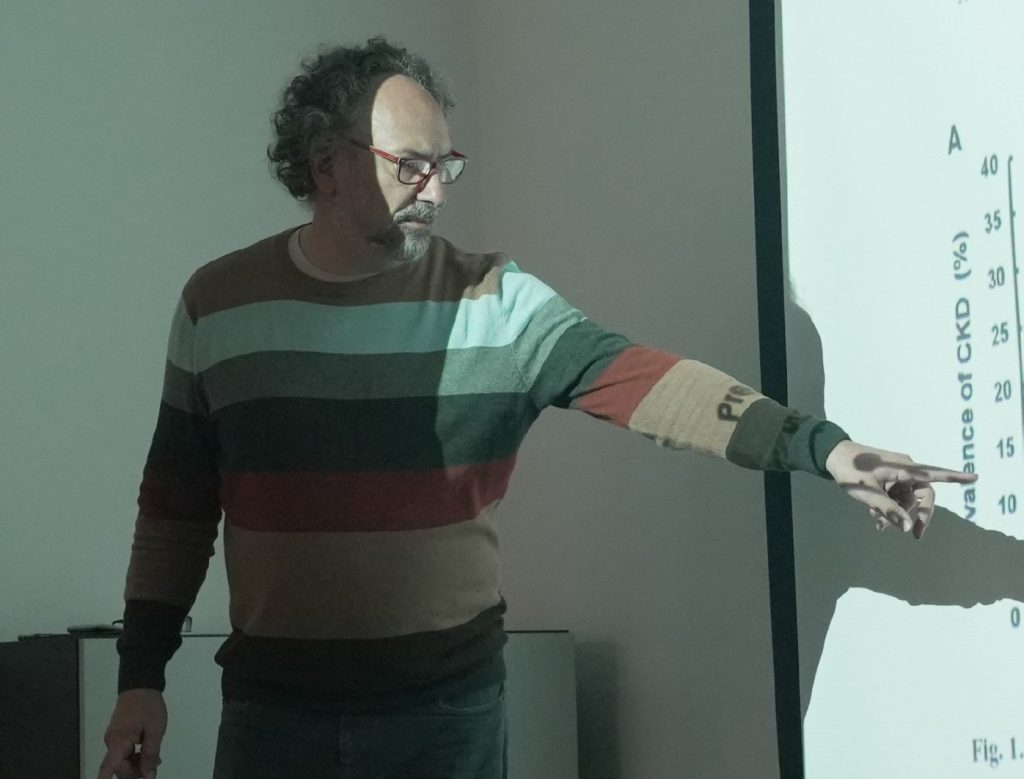
In April 24, 2025, we organized the wokshop focused in Renal Lipotoxicity. The workshop was performed at the Instituto de Tecnologías Biomédicas (ITB) and the Animal Facilities of the University of La Laguna.
The discussion focused on the high incidence of CKD and the limitations of current animal models and biomarkers, highlighting the need for improvement. Presentations showcased both traditional and novel models of obesity-induced kidney damage that offer new perspectives on CKD pathogenesis. Recently obtained experimental results revealed novel disease mechanisms with potential for biomarker development and a deeper understanding of renal damage. Furthermore, new collaborations are being planned to utilize translational animal models of obesity-related renal damage and state-of-the-art approaches to further investigate the role of lipotoxicity in CKD.
In detail:
The purpose of this event was to bring together world-class researchers with expertise in various areas of renal physiopathology and lipidomics to discuss current projects, findings and potential collaborations.
Dr. Esteban Porrini (University of La Laguna, Spain) introduced current global challenges in renal damage and the prevalence of chronic kidney disease (CKD). Furthermore, he opened debate in regard to existing limitations in effective diagnostic tools and translational animal models for understanding CKD pathogenesis.
Prof. Covadonga Rodriguez (University of La Laguna, Spain) gave a detailed introduction to the role of lipids in health and disease, and she also addressed diverse mechanisms of lipotoxicity that may play a role in CKD, both in animal models but also in patients.
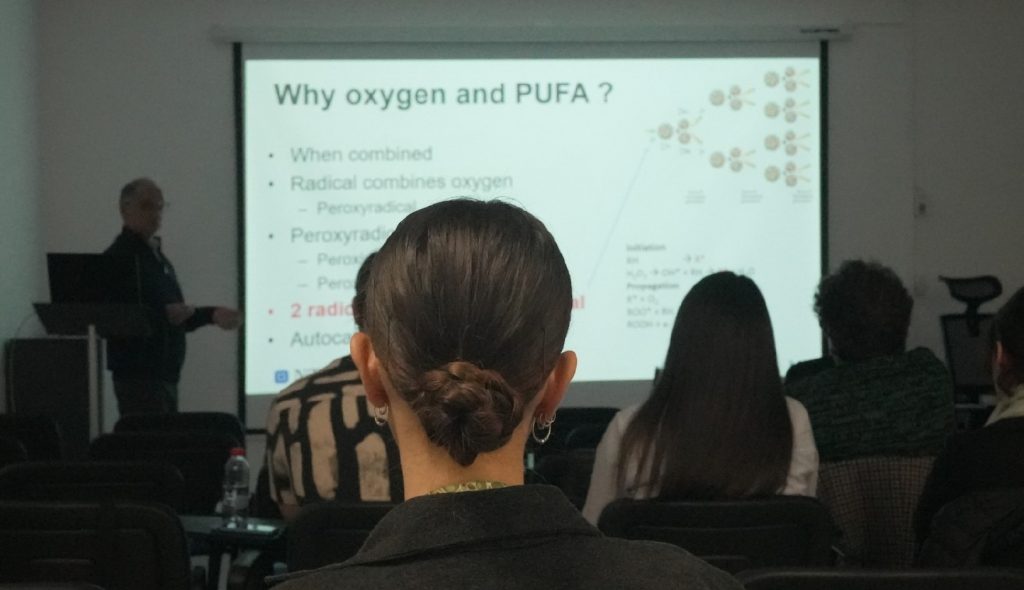
Dr. Rolf Erik Olsen (University of Trondheim, Norway) explored diverse mechanisms of oxidative stress during his talk, where he presented relevant data supporting the pivotal role of lipids in metabolic diseases. Moreover, he highlighted potential approaches to measure these molecules in biological samples that could be used as biomarkers of renal damage in animal models and patients.
PhD. Cand. Aaron Afonso Ali (University of La Laguna, Spain) discussed the lack of pre-clinical models to study CKD and presented lipid analyses of kidney samples from a mouse model of obesity that developed kidney damage.
PhD. candidate Silvia Teixido Trujillo (University of La Laguna, Spain) presented a cutting-edge rat model of obesity that mimics kidney damage resulting from chronic overweight and the administration of Tacrolimus. She explained that this immunosuppressant, often used post- kidney transplant, accelerates diabetes and kidney damage. The presentation included extensive data supporting the model’s utility as a unique chronic model of obesity and metabolic syndrome. Moreover, this model can be used as a platform for testing anti-obesity drugs with beneficial effects on the kidney function.
PhD. Jano Dicroce Giacobini (University of La Laguna, Spain) presented data from a novel swine model of obesity and low birthweight. Given that these are risk factors for CKD, these conditions induced kidney damage and unveiled some of the molecular mechanisms that are key to better understand the pathogenesis of renal damage and the search for novel non- invasive biomarkers of disease in patients.
MSc. Dorian Pruvost (University of Mons, Belgium) presented recent data regarding the molecular mechanisms leading to renal damage in mouse, rats and swine models of obesity. These valuable findings may significantly contribute to a better understanding of kidney damage and the development of new therapies in patients.
Prof. Anne-Emilie Decleves (University of Mons, Belgium) showed results obtained from kidney cell primary cultures where she explored the molecular mechanisms involved in the onset of kidney damage. These results greatly contribute to achieve a more solid understanding of the obesity-related CKD and open therapeutic possibilities.
Dr. Jose Valdivieso (University of Lleida, Spain) showed recent results of a mini-pig model of obesity that provides significant advantages compared with in vitro cultures and experiments in rodent models of obesity-associated kidney damage. This translational model allows the use of diagnostic approaches commonly employed in clinics and resembled results of obese patients to a large extent.
Dr. Christian Janfelt (University of Copenhagen, Denmark) introduced concepts of the state-of- the-art lipidomics approaches that may provide a unique mapping of lipid alterations in the kidney tissue. He showed how Desorption Electrospray Ionization Mass Spectrometry Imaging (DESI-MSI) allows the detailed study of lipid alterations associated with CKD by visualizing them across kidney sections with unprecedented reliability.
Dr. Jose A. Fernandez Gonzalez (University of the Basque Country, Spain) further explained the possibilities of comprehending the CKD-associated lipotoxicity using MSI with great examples and results from his lab. These largely contribute to a better understanding of the CKD pathogenesis from a completely new perspective, with considerable applicability to the clinical practice.
Dates: April 24, 2025
Place: ITB building, University of La Laguna, Tenerife